Your operation requires consistent cleaning schedules customized for unique hazards, daily throughput, allergen management, and regulatory visits, including auditable records confirming HACCP requirements, compliance audits, and health department standards. The details below provide guidance on sanitation program requirements.
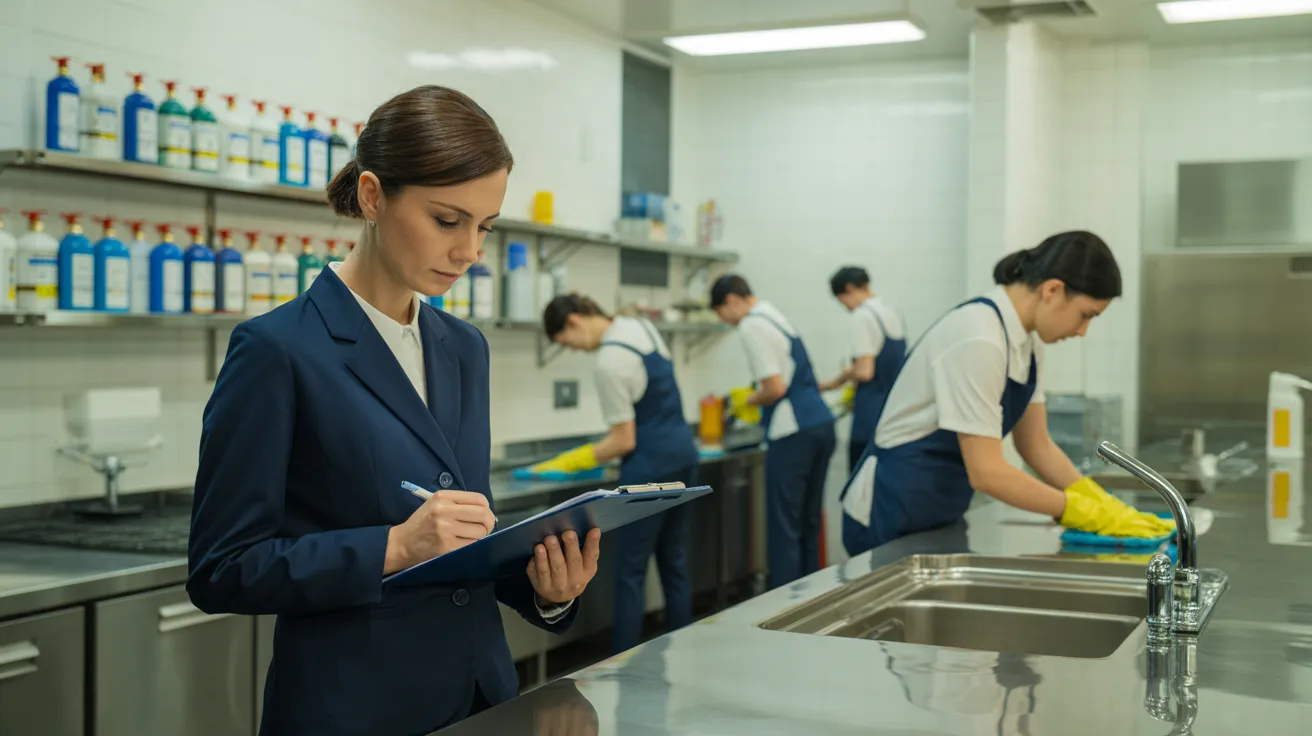
Key Takeaways
- Sanitation technicians from Brampton assist restaurants, grocery departments, commissaries, warehouses, bakeries, schools, mobile vendors, and allergen-sensitive operations.
- High-touch surfaces, food-contact equipment, kitchens, floors, drains, restrooms, and storage areas are cleaned using sectional methods to avoid cross-contamination.
- Logging of finalization through swabs, reviews, and action records confirms certified contractors have confirmed proper chemical concentration, suitability, and exposure duration.
- Cleaning timelines ought to comply with risk, production rate, transitions, releases, and guidelines, with regular, recurring, and seasonal tasks assigned by zone.
- Emphasize suppliers showing HACCP, sanitation knowledge, safety training training, insurance, credentials, coded implements, and compliance-ready maintenance files.
Food Safety Cleaning Requirements for Brampton Venues
Brampton operations that manage, store, prepare, package, or offer food require sanitation protocols. Implement it if your establishment is covered by health reviews, food regulations, or HACCP protocols. The mandate covers food venues, break rooms, supply centers, retail departments, butcheries, seafood areas, stores, and facility food prep.
You'll additionally need compliant food safety cleaning in storage centers, processing facilities, refrigerated warehouses, bakery retailers, school nutrition programs, event halls, and delivery centers. Mobile and temporary businesses are included, like food trucks, event sellers, and temporary stalls. Should your staff handle raw materials, divide prepared dishes, warm finished meals, or maintain allergen storage, your establishment requires established hygiene documentation. In Brampton, food safety is mandatory; it constitutes lawful, operational, and customer protection standards.
Which Areas Do Brampton Cleaning Experts Cover?
Professional cleaning services specializing in Brampton disinfect high-contact surfaces, kitchen facilities, floors, and sanitary facilities in compliance with food safety regulations. Emphasis on these spaces occurs because they pose maximum contamination danger, injury hazards, and possible regulatory violations.
When you know their cleaning scope, you can ensure your operation's cleaning procedures satisfy operational and regulatory requirements.
Prioritizing High-Touch Surface Sterilization
Controlling high-touch surface cleaning is important for Brampton maintenance professionals because contact points can spread microbes and organic matter around a location. You require a scheduling system for sanitizing all high-touch items including handles, plates, switches, railings, control surfaces, POS systems, and refrigeration equipment. Using contact point analysis, teams identify every frequently handled surface and establish cleaning frequency
swabbing methods to validate sanitization results
Kitchen Areas, Floor Surfaces, and Bathroom Spaces
Professional cleaners in Brampton prioritize kitchens, floors, and restrooms given that each location involves specific food safety, slip-and-fall, and health code requirements. In industrial kitchens, you need grease removal from cooking stations, appliance surfaces, drain systems, preparation areas, and backsplashes to minimize bacterial growth and pest activity.
Documented floor maintenance is also provided as part of the service.
Restroom sanitation requires disinfecting touch areas, bathroom equipment, stall barriers, supply stations, and bins, restocking supplies and controlling odours. They also maintain restaurant cleaning supply rooms where product storage, sink cleanliness, and drain systems impact daily sanitation standards and worker protection.
Why Food Safety Cleaning Matters in Brampton
To adhere to regulatory mandates and pass inspections, Brampton facilities must maintain food-safe cleaning standards. You also minimize bacterial spread through proper cleaning of food-preparation surfaces, appliances, and frequently-touched items. Most importantly, you help protect community wellness by reducing the chance of food poisoning in your establishment.
Food Safety Regulations
Since Brampton food businesses must follow strict public health standards, your food safety cleaning directly determines your ability to meet health codes, protect diners, and avoid regulatory penalties. You must maintain sanitized food contact points, documented cleaning schedules, correct sanitizer application, and verifiable staff procedures that correspond to municipal and provincial inspection expectations.
When inspectors assess your operation, they evaluate whether your cleaning procedures supports secure product handling, machinery hygiene, refuse management, and facility cleanliness.
Cross-Contamination Prevention
Meeting regulatory requirements also depends on your ability to prevent cross-contamination during daily food handling and cleaning. You must keep raw items away from prepared dishes, clean work areas after each use, and keep cleaning products separate from food areas. Clear procedures reduce transfer risks and ensure ongoing adherence to health checks.
Building allergen isolation prevents key allergens from reaching shared surfaces, containers, or equipment. Leverage separate cutting boards, colored implements, and precise instrument labeling so team members won't blend products in cooking or serving.Enforce handwashing after handling uncooked meats, shellfish, egg items, or allergen substances. Swap wiping cloths regularly, and confirm disinfectant efficacy using test strips. When you train staff to follow these controls every shift, you create a cleaner, safer operation that exceeds Brampton's safety standards consistently.
Community Health Safety
When sanitation protocols fails, you don't just risk a failed inspection—you increase the chance of foodborne illness impacting customers, staff, and the wider Brampton community. You also weaken your role in safeguarding community wellness, especially in busy food facilities where pathogens travel quickly through surfaces, equipment, and touchpoints.
You require sanitation systems that remove contaminants, disinfect appropriately, and confirm results. This requires following contact periods, selecting approved disinfectants, documenting procedures, and coaching employees to meet health-unit expectations. These measures prevent illness spread by minimizing pathogens before contaminating food or hands. Throughout Brampton, effective sanitation safeguards susceptible populations, reduces outbreak risk, and proves your diligence. When you adhere to standards, you go beyond requirements—you lower hazards and enable safer food service region-wide.
How Does Cleaning Support Food Safety Compliance?
Strict sanitation practices ensure food safety compliance by minimizing contamination hazards, controlling pathogen growth, and maintaining your facility's adherence to sanitation requirements under HACCP-based programs and public health regulations. You verify that food-handling surfaces remain visibly clean and microbiologically controlled, facilitating documented preventive controls and inspection readiness.
Effective cleaning also improves allergen prevention by removing residues that can lead to undeclared allergen exposure. by extracting residues that additional info can provoke undeclared allergen exposure.
When Do You Schedule Commercial Cleaning?
Cleaning plans are most effective when you set them according to risk, production volume, and regulatory requirements rather than relying on a fixed calendar alone.
facility closures, weather-related soil buildup, or pest pressure periods
How Do You Choose Brampton Cleaning Experts?
Evaluate providers first by sanitation compliance standards rather than cost. You must ensure each provider understands CFIA, public health, and HACCP-aligned expectations for your business. Request proof of insurance, WHMIS compliance, staff training documentation, and supervision methods. Check technician understanding of contamination prevention, chemical handling, and documented sanitation practices.
Additionally, you need to evaluate operational reliability and accountability. Obtain references from Brampton food operations, then review response times, corrective measures, and communication standards. Verify the company conducts supplier reviews and can deliver compliance-ready records when inspectors or external parties need proof. Verify equipment is maintained, colour-coded tools are applied correctly, and location-specific dangers are identified. A capable service protects compliance, product integrity, and your brand reputation.
What does a Food Safety Cleaning Plan consist of?
Create a documented strategy that makes clear every sanitation responsibility, standard, and task before production begins. You should detail cleaning frequencies, approved chemicals, dilution rates, contact times, tools, and verification methods for each zone, surface, and piece of equipment. Incorporate pre-operational inspections, corrective actions, and employee training requirements.
Your plan should also address contamination prevention, garbage management, pest control procedures, and recorded timelines for restrooms, drains, floors, and food-contact areas. Explain how you'll separate raw and ready-to-eat processes, support ingredient tracking, and ensure accurate allergen labeling through validated cleaning between product changes. You should assign accountability, maintain signed records, and compare results against regulatory standards, HACCP controls, and customer requirements. When gaps appear, update procedures immediately and re-educate staff.
Commonly Requested Inquiries
Will sanitation providers manage nighttime hours at Brampton properties?
Yes, you can book sanitation coverage to accommodate nighttime operations in Brampton facilities. You'll coordinate nighttime cleaning around operational windows, access requirements, and staffing levels. Services typically establish nighttime procedures to reduce interruption, maintain standards, and record finished tasks. You should verify response times, supervision, lockout protocols, and waste management before starting service.
Are emergency spill response services provided from sanitation professionals?
Yes, you can find Brampton cleaning experts to provide emergency spill response solutions. They handle hazard containment, evaluate dangers, isolate affected areas, and begin swift cleanup to reduce exposure and business interruption. You should confirm their response times, training certifications, PPE protocols, and disposal procedures. If your facility must comply with industry standards, choose a provider that documents incidents, maintains regulatory procedures, and enables compliance verification.
Are plant-based disinfectants secure for food-contact surfaces?
Absolutely, natural disinfectants are safe for food-contact surfaces when you opt for items marked food-safe and regulatory compliant. You must verify application timing, mixing proportions, and rinse requirements before use. Natural-based solutions decrease chemical burden, though you require proof of efficacy against harmful bacteria. For keeping surfaces residue-free, implement manufacturer instructions exactly and ensure your disinfectant satisfies relevant food safety standards.
Can cleaning schedules be tailored for production fluctuations?
Yes, you can customize cleaning plans for seasonal variations. You should adapt frequencies, staff levels, chemicals, and validation steps to fit seasonal patterns while maintaining compliance standards. You'll decrease production interruptions by timing sanitization around equipment transitions, peak volumes, and equipment use patterns. You should additionally revise procedural documents, training, and environmental monitoring to address transient threats, novel allergens, or higher contamination levels. Periodic assessments maintain your schedule efficient.
Are commercial cleaners offering employee instruction on sanitation best practices?
Absolutely, professional cleaning companies regularly deliver employee education on hygiene standards. Your team gets instruction on correct chemical handling, contact times, cross-contamination prevention, machine takedown, and documentation. They generally match instruction with HACCP, GMP, and CFIA or local public health requirements. Many conduct sanitation audits to verify compliance, identify gaps, and strengthen corrective measures. This helps you maintain uniform standards, clear audits, and reduce food safety risks routinely.
Summary
Through engaging Brampton food safety and commercial cleaning specialists, you do far more than tidy—you keep your operation prepared for inspections and your procedures stay aligned with regulations. From production floors to kitchens, all clean areas and organized zones reduce contamination risks and avoid major losses. Through scheduling maintenance at proper intervals and adhering to a comprehensive cleaning program, you ensure protection for employees, clients, and your good name. In a tightly controlled regulatory landscape, clean conditions cannot be considered optional—they are fundamental to success.